Blog
Running Injuries: When to See a Physiotherapist in Vancouver
Knee, shin, calf or Achilles pain from running? When to see a physiotherapist, what testing shows, and how Forza gets runners back on the road in Vancouver.
Marcel
Marcel
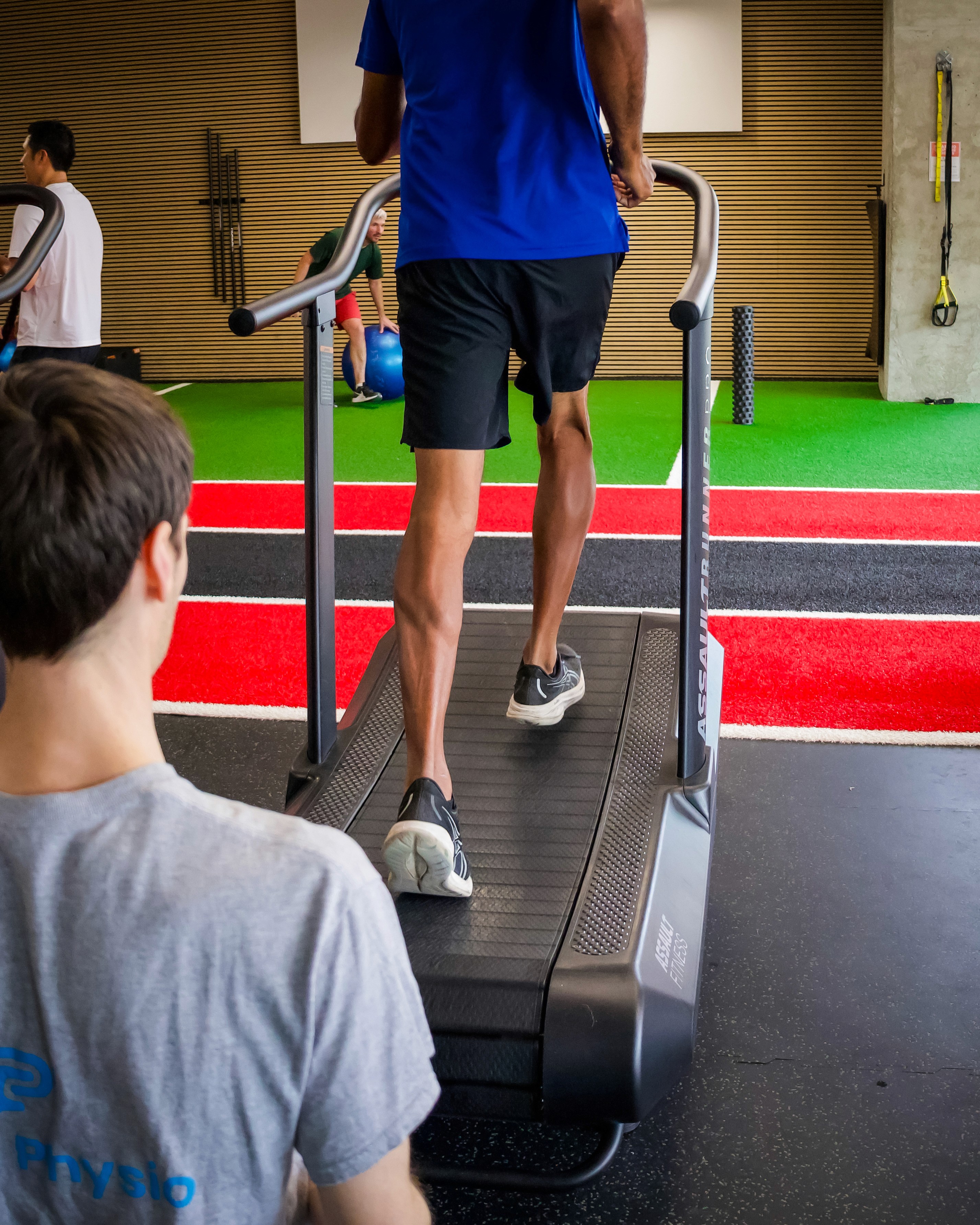
Running injuries are rarely caused by a single bad run. Most build up over weeks, when the load you are putting through your legs grows faster than your tissues can adapt. That is good news, because it means most running injuries respond well to the right plan.
The most common running injuries
Knee pain around or behind the kneecap, often worse on stairs, hills or after sitting.
Achilles tendon pain, usually stiff first thing in the morning.
Calf strains, often during faster running or hills.
Shin pain along the inside of the lower leg.
Pain on the outside of the knee or hip that builds as a run goes on.
Heel and foot pain, especially with the first steps of the day.
When to see a physiotherapist
It is worth booking an assessment if:
Pain changes the way you run, or makes you limp.
It has not settled after a week or two of reduced running.
It keeps coming back every time you build your mileage.
You have a race or event coming up and want a plan, not a guess.
You had a sudden, sharp pain during a run.
You do not need a doctor's referral to see a physiotherapist in British Columbia, so you can book directly.
Why testing matters for runners
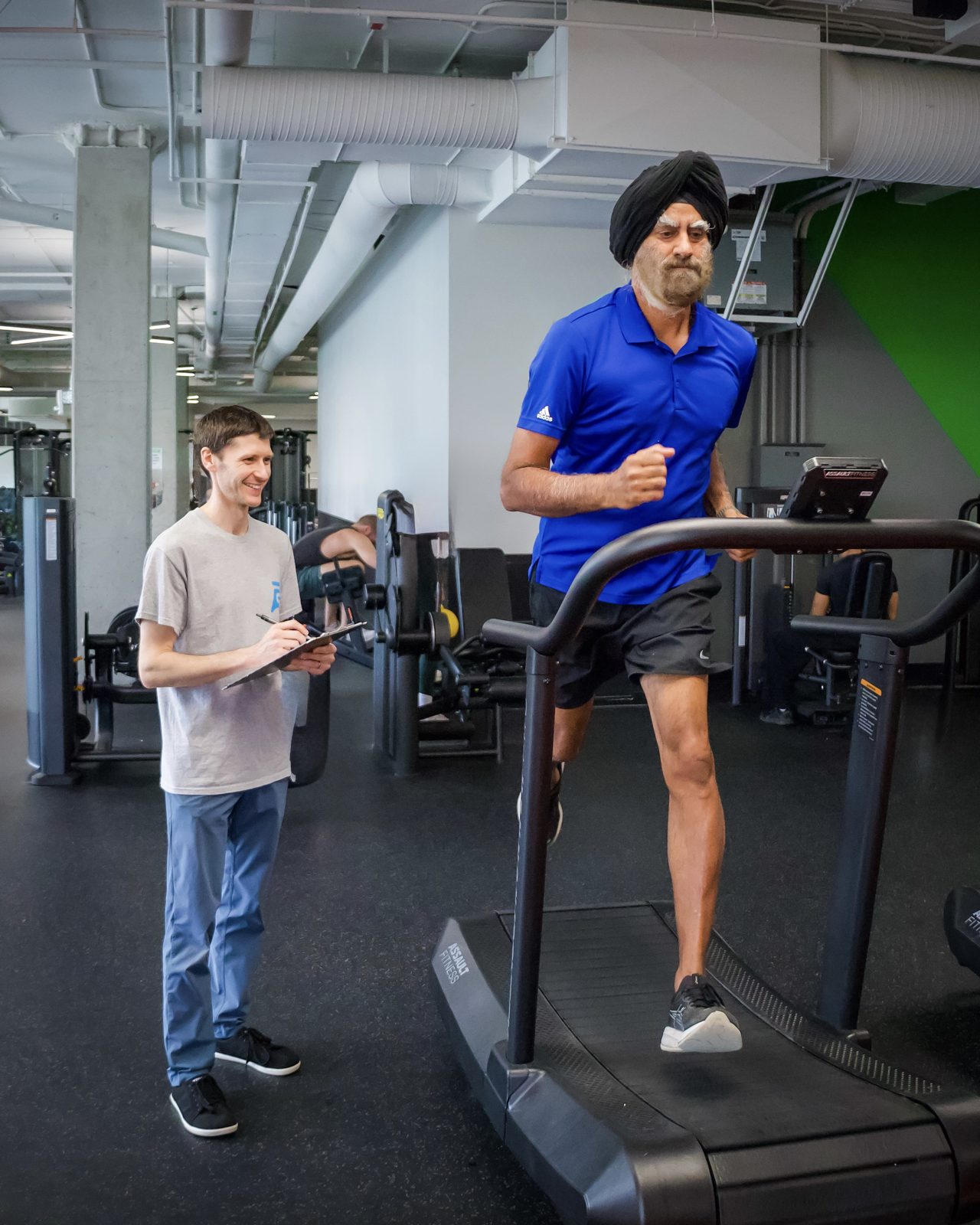
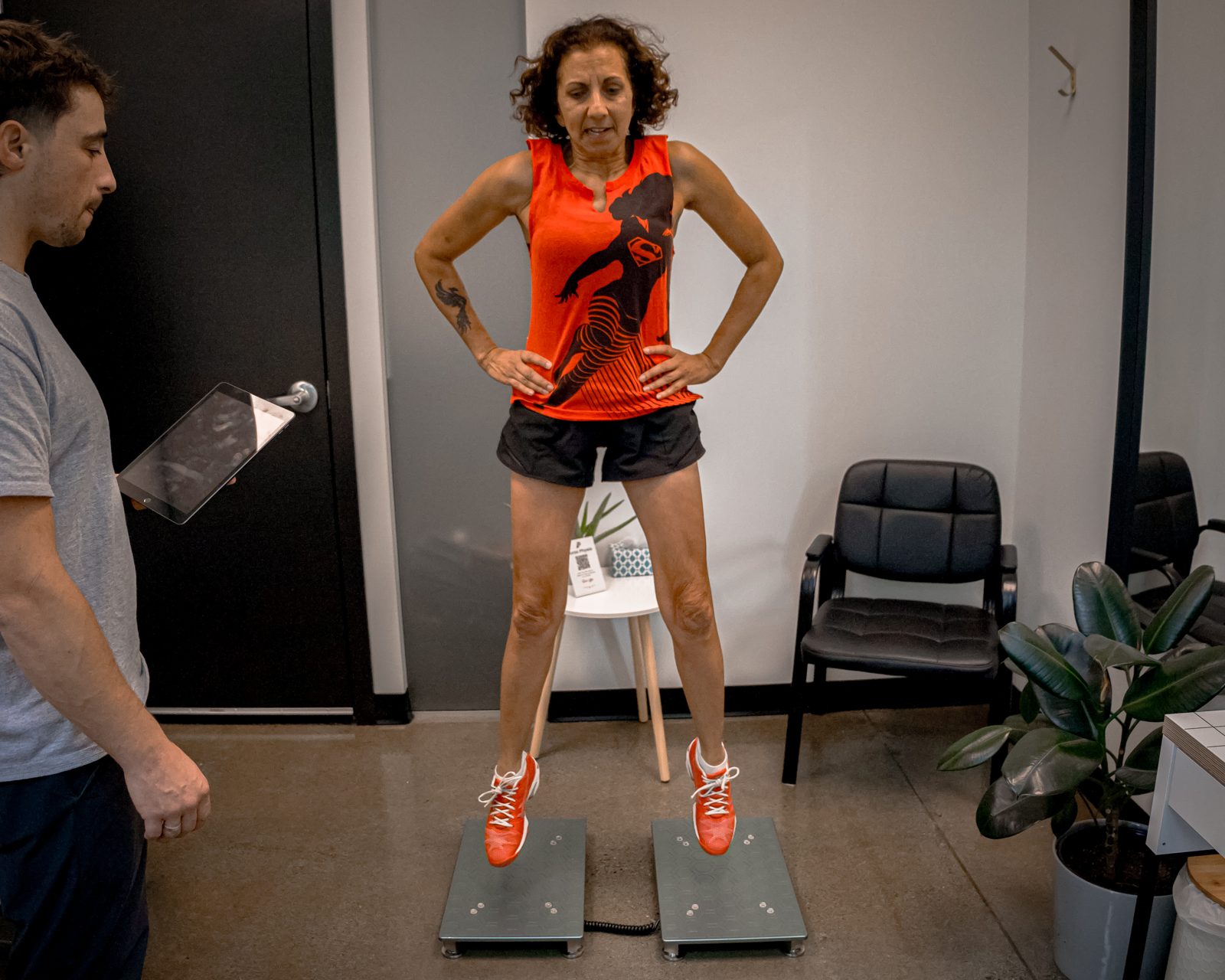
Running is a single-leg sport, repeated thousands of times. Small differences between sides add up. At Forza, your physiotherapist measures strength and how evenly you load each leg using force plates, dynamometers and VALD testing. A calf or hip that is clearly weaker on one side often explains why the same injury keeps returning.
Those numbers also guide the return. Rather than picking a date to start running again, you progress when the testing says the leg is ready, and you can see the results for yourself.
What rehab looks like
Every session is one on one with a registered physiotherapist, on a full gym floor inside Evolve Strength in downtown Vancouver. For runners that usually means:
Strength work for the calves, hips and thighs, progressed to the point where the tissue can handle running load.
Plyometric and hopping work, because running is a series of small jumps.
A graded return to running that you can follow on your own, including what to do if symptoms flare.
Blood Flow Restriction training where you need to build strength without heavy load early on.
Between sessions you get homework, and your physiotherapist helps you refine your own running and training plan so you know exactly what to do each week.
Book your assessment with a registered physiotherapist, or call the clinic on 604-359-2919. No doctor's referral needed.
Keeping running while you recover
Stopping completely is often not necessary. Many runners can keep some running, adjust pace, hills or distance, or swap sessions for cross training while the injured area gets stronger. Your physiotherapist will tell you what is safe to keep and what to change.
Booking and paying
Forza direct bills the major extended health plans. Forza does not bill ICBC or WorkSafeBC directly at this time.
Read about Achilles rehab, knee and ACL rehab or sports physiotherapy at Forza. Call the clinic on 604-359-2919 or email contact@forzaphysiotherapy.com.
Ready to get back to what you love?
Book a one-on-one assessment with a registered physiotherapist inside Evolve Strength, 658 Homer St, downtown Vancouver. No doctor’s referral needed, and we direct bill the major extended health plans.