Rehab, Post-op Care, Return to Performance
+105 5/5 Reviews
Movement Testing
4 Physiotherapists
Our Customer Testimonials
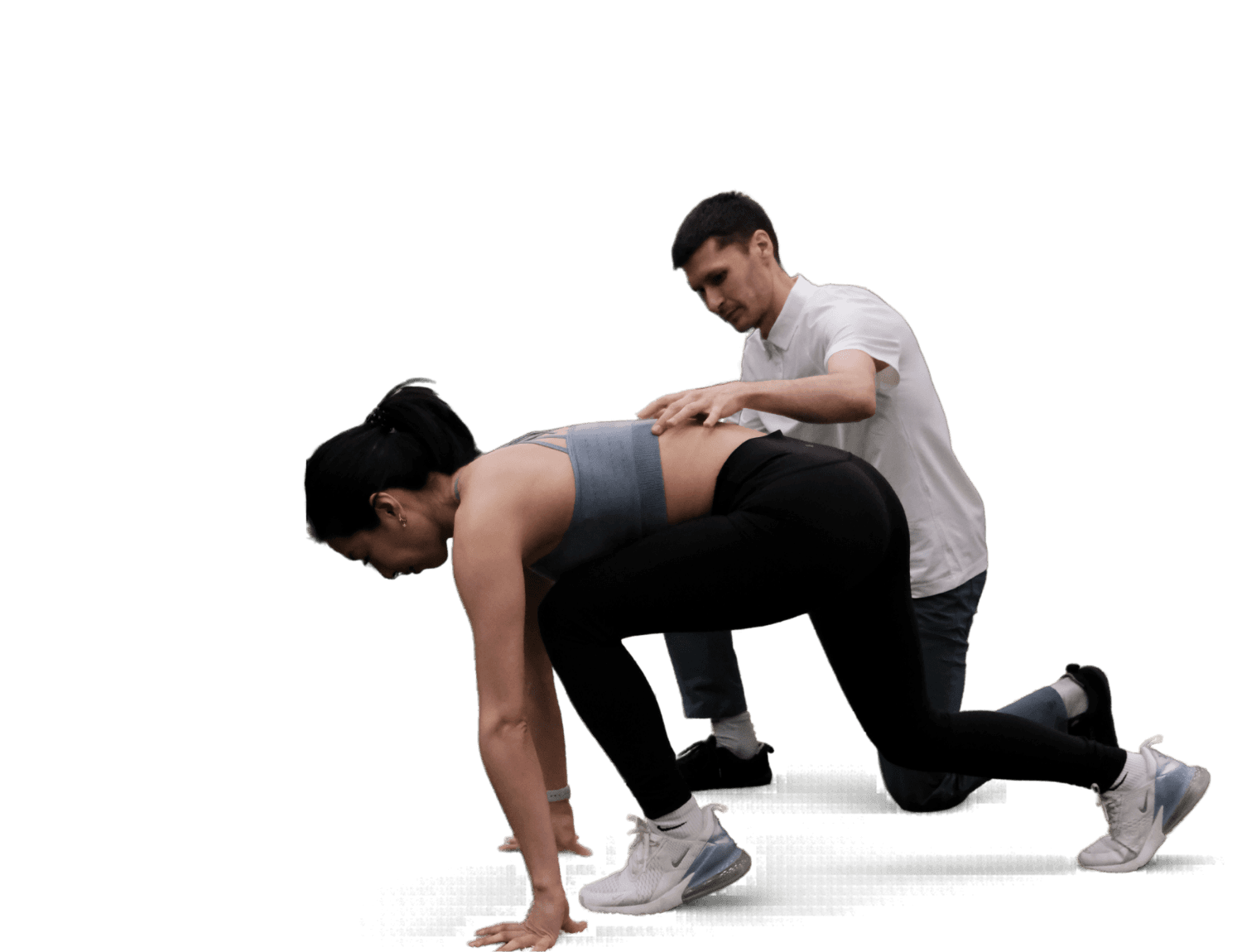
At some point, the injury stopped feeling temporary. You modify the workout, skip the pickup game, and plan your week around what aggravates it. You keep telling yourself it will be better in another two weeks, and you have been saying that for three months.
An Injury That Keeps Coming Back
Stalled Recovery After Surgery
Performance That Won't Come Back
Pain That's Affecting Your Day-to-Day
We want to help you live your life without fear of movement, but with confidence through strength. Each of these problems has a clear path back to full function. Here is what every Forza session is built to deliver.
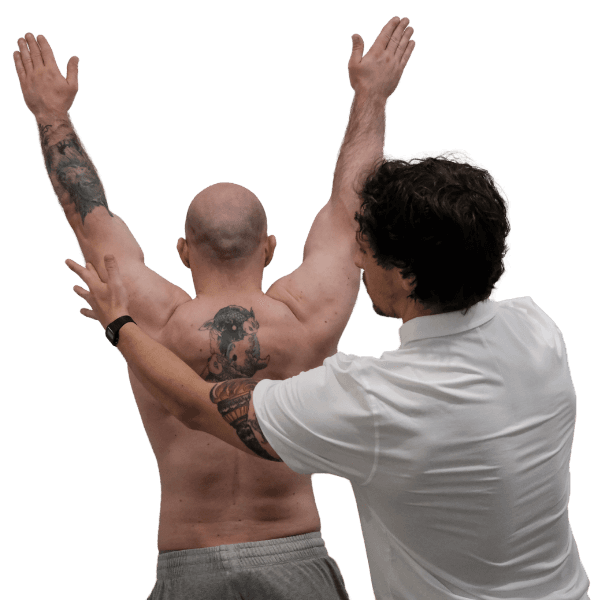
Exercise-Based Physiotherapy That Builds Strength and Tracks Real Progress
Benefit 1
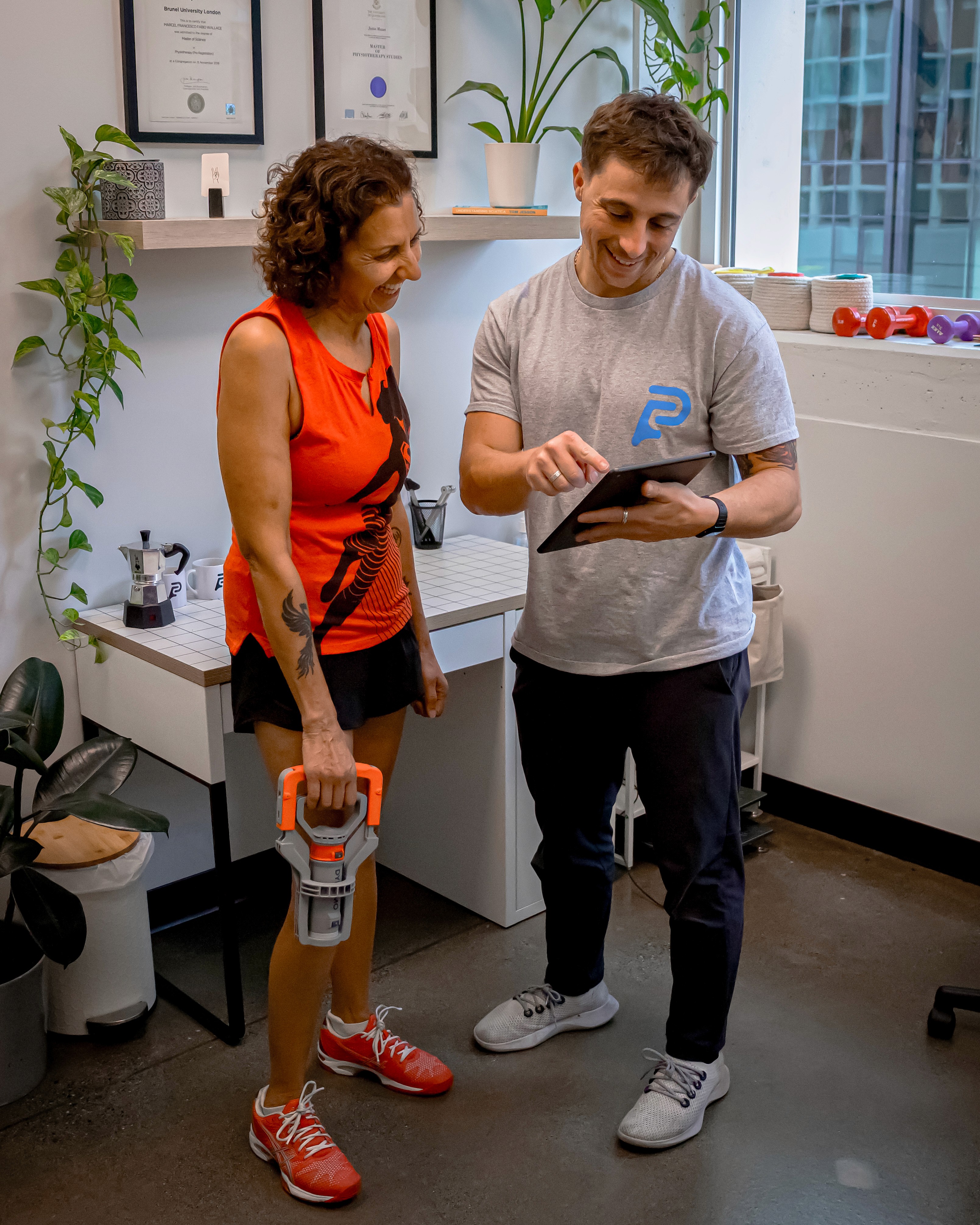
Recovery Plans with Measurable Results
Your physiotherapist tracks your recovery with Vald force testing, range-of-motion screening, and dynamic movement analysis. Your data is benchmarked against healthy norms and sport-specific performance standards, so progress shows up as measurable numbers tied to real-world goals.
Benefit 2
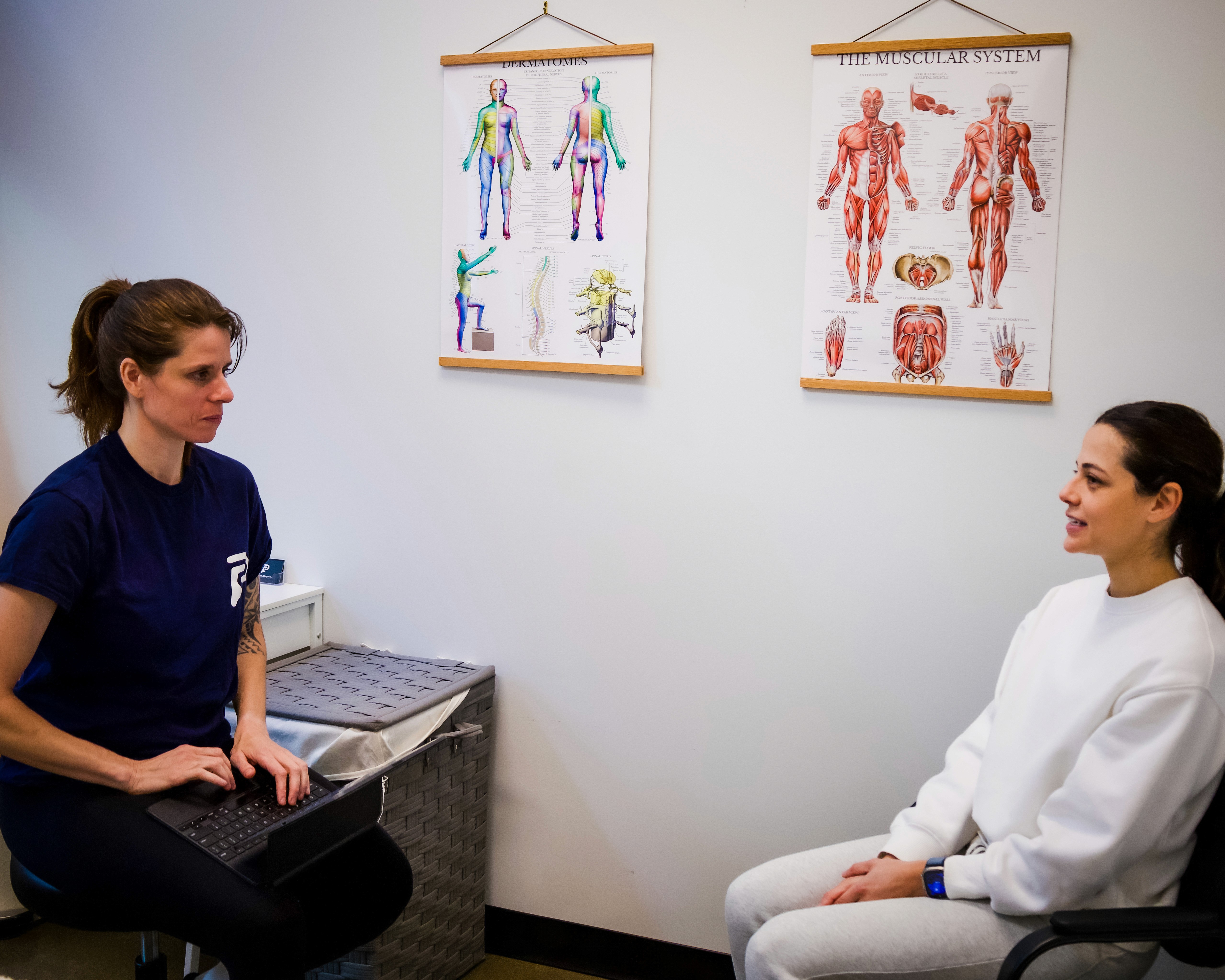
Dedicated, Personal Care
Your physiotherapist at Forza takes the time to understand you before treating you. Appointments are full one-hour sessions where your story shapes the assessment, your assessment shapes the plan, and your goals at work, sport, and life become the milestones the plan is built around.
Benefit 3
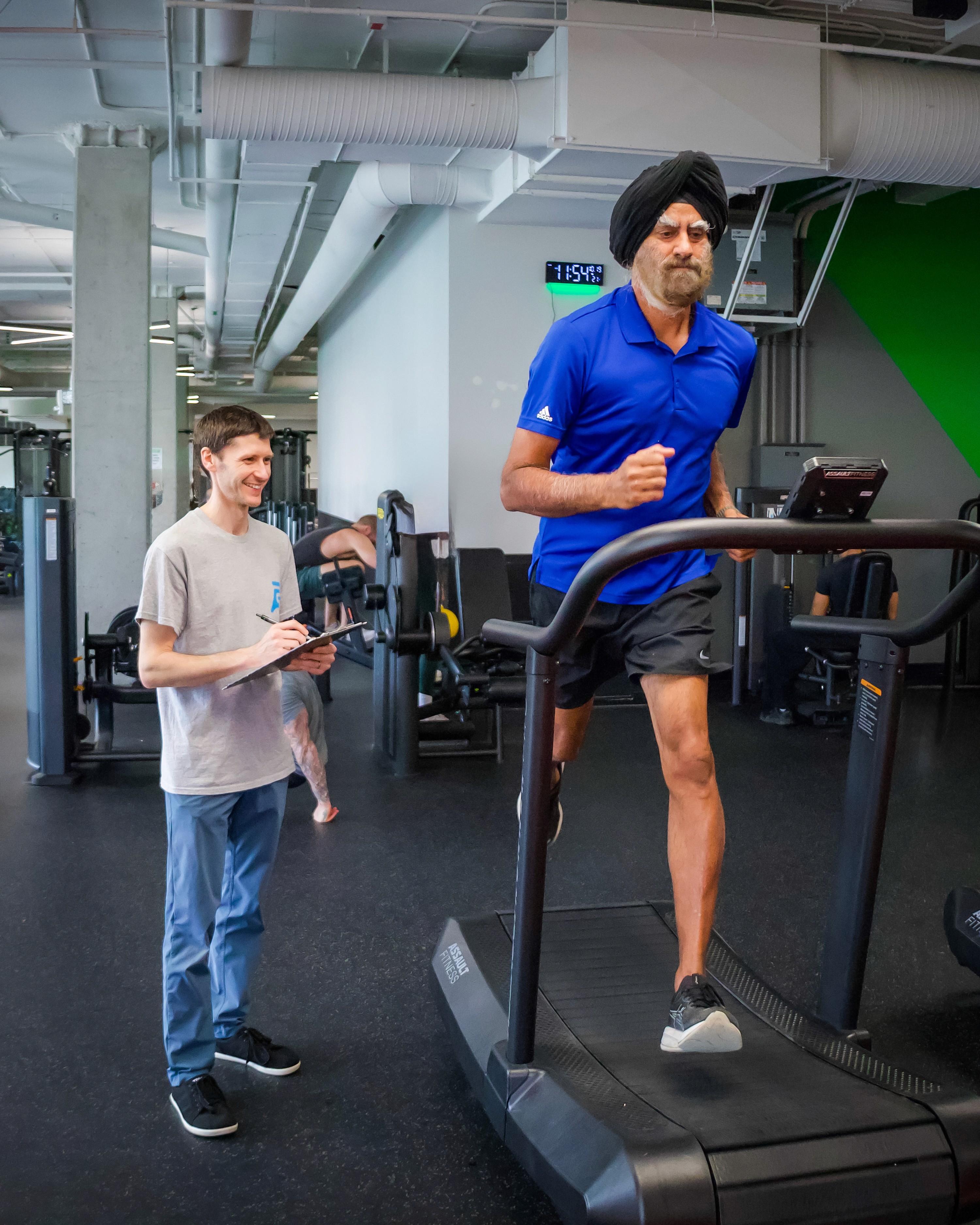
Active Rehab, Backed by Modern Science
Evidence-based physiotherapy has moved on from passive care. Forza's model uses active rehab, progressive loading, and behaviour-change strategies to build the habits and movement quality that keep injuries from coming back.







Physiotherapy for Sports Injury, Post-Surgery, Pain, and Performance
What We Treat
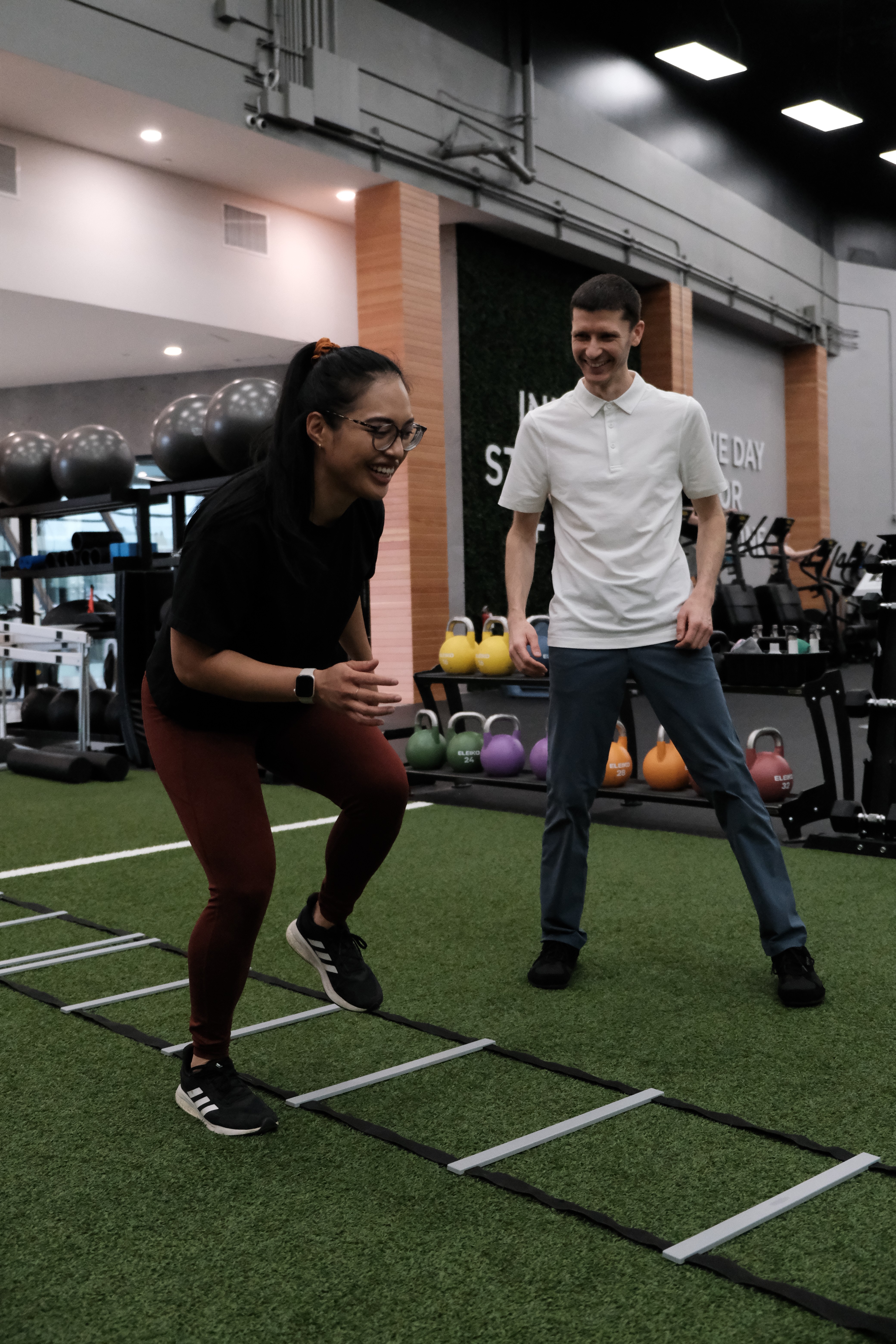
Sports Injury Rehabilitation
For athletes and active adults recovering from acute and overuse injuries. Common cases include ACL rehabilitation, hamstring and groin strains, shoulder impingement, runner's knee, and Achilles tendinopathy.
What We Treat
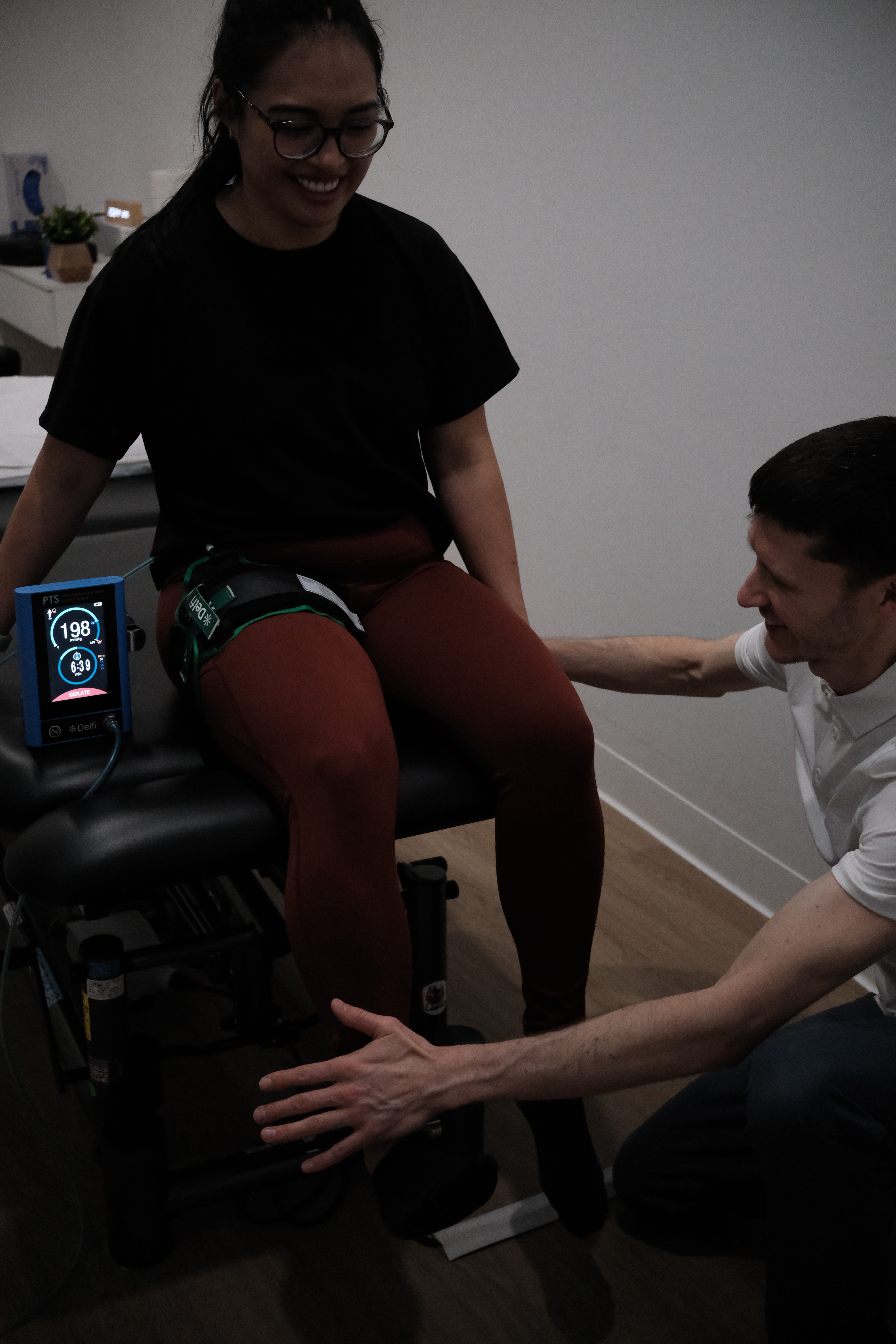
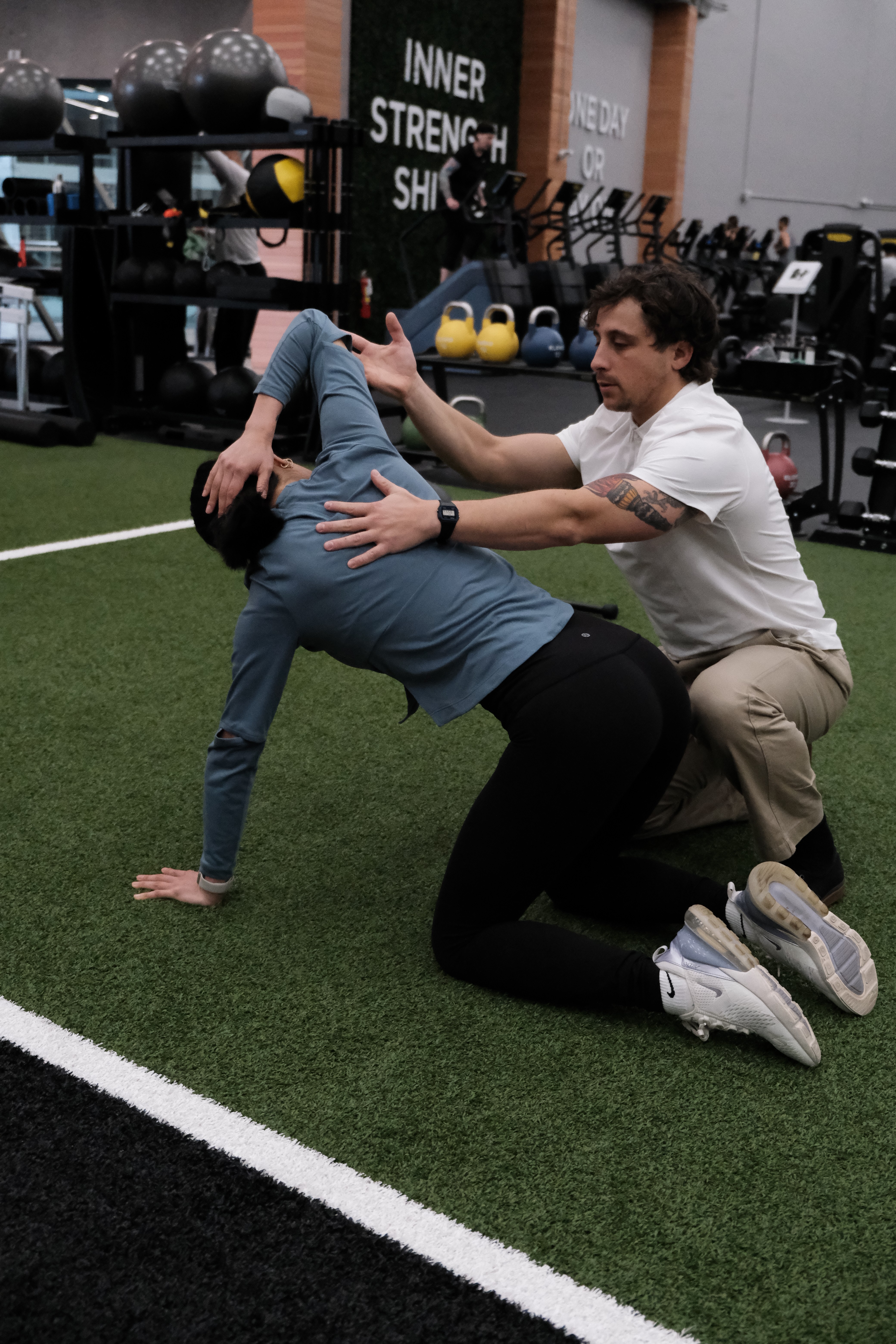
Post-Operative Rehabilitation
For patients in the structured recovery phase after joint surgery or soft-tissue repair. Common cases include post-ACL reconstruction, knee and hip replacement, rotator-cuff repair, and meniscus repair.
What We Treat
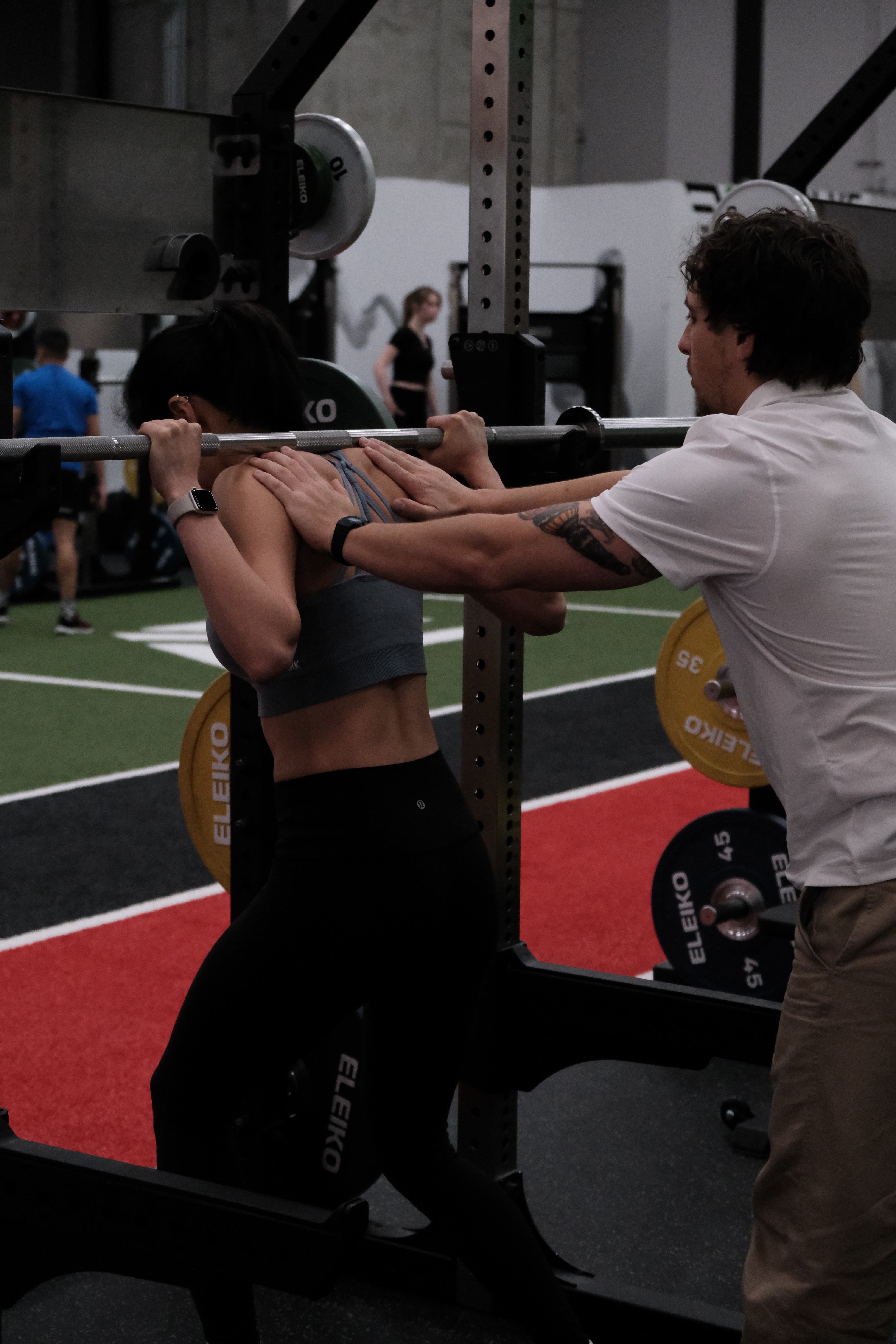
Chronic and Recurring Pain
For musculoskeletal pain that has not resolved with rest or generic exercise. Common presentations include low back pain, neck pain, persistent shoulder pain, hip pain, and recurring knee pain.
What We Treat
Performance and Preventive Care
For active adults and strength athletes who want to train harder, recover faster, and reduce the risk of future injury. Programs include movement screening, strength balancing, and progressive loading.


100% Five Stars.
Every Single Review.
Not a curated selection. Not a filtered feed. Every review on our Google Business Profile is five stars, from a real patient, about a real experience.
Common Questions
Here are the most common physiotherapy questions Forza hears from active adults in Vancouver.
Haven’t found what you’re looking for? Email us at contact@forzaphysiotherapy.com.
Do I need a referral for physiotherapy in Vancouver?
No. British Columbia allows direct access to physiotherapy without a doctor's referral, so you can book online for an assessment at Forza in downtown Vancouver. If your extended health plan requires a referral for reimbursement, check with your provider before your visit.
How much does physiotherapy cost in Vancouver?
Forza Physiotherapy charges about $190 for the initial 60-minute assessment, around $100 for a 30-minute follow-up, and $145 for a 45-minute follow-up treatment. Pricing in Vancouver generally ranges from $90 to $200 per session, depending on length and inclusions. Forza prices cover the full 60 minutes with your physiotherapist plus gym access during treatment.
Does my extended health plan cover physiotherapy?
Most extended health plans in BC cover physiotherapy partially or in full, with annual limits typically between $300 and $1,500. Forza offers direct billing to major insurers including Pacific Blue Cross, Manulife, Sun Life, Canada Life, and Green Shield. If your plan is not on direct billing, we provide a receipt you can submit yourself.
How long is a physiotherapy session at Forza?
An initial physiotherapy session at Forza runs for 45 to 60 minutes. Our follow-up treatments are anywhere from 30 to 60 minutes, where you spend the entire time with your dedicated physiotherapist. Many clinics in Vancouver schedule shorter 30 to 45-minute sessions where the physiotherapist's direct time can be 10 to 15 minutes. That's not up to our standard of care!
Should I book a 45, or 60-minute initial assessment?
The 60-minute assessment allows for a full assessment and treatment of a single injury in the same session, or can be used to assess multiple new injuries/areas of concern. If you only have one area of concern, you can book a 45-minute initial assessment.
How many physiotherapy sessions will I need?
Most active adults require between 8 and 12 physiotherapy sessions, depending on the injury, recovery goal, and how long the issue has been present. Your recovery plan includes the expected number of sessions, milestones for each phase, and a target discharge timeline. The plan adjusts as your Vald data and clinical progress evolve.
Can physiotherapy help with sports injuries?
Yes. Sports injury physiotherapy is one of Forza's main focus areas, including ACL rehabilitation, hamstring strains, shoulder impingement, ankle sprains, runner's knee, and post-surgery rehab. Forza's gym-integrated model and Vald testing are structured around return-to-sport rehabilitation. Recovery timelines vary by injury, with typical return-to-sport ranges between 8 and 12 weeks for soft-tissue injuries.
What is Vald performance testing?
Vald is an objective testing platform used by professional sports teams, university athletic programs, and elite physiotherapy clinics to measure force production, strength asymmetry, and movement quality. At Forza, your Vald baseline is captured early and re-tested at structured intervals, so your progress is visible in measurable data. The numbers inform treatment progression and discharge decisions.